





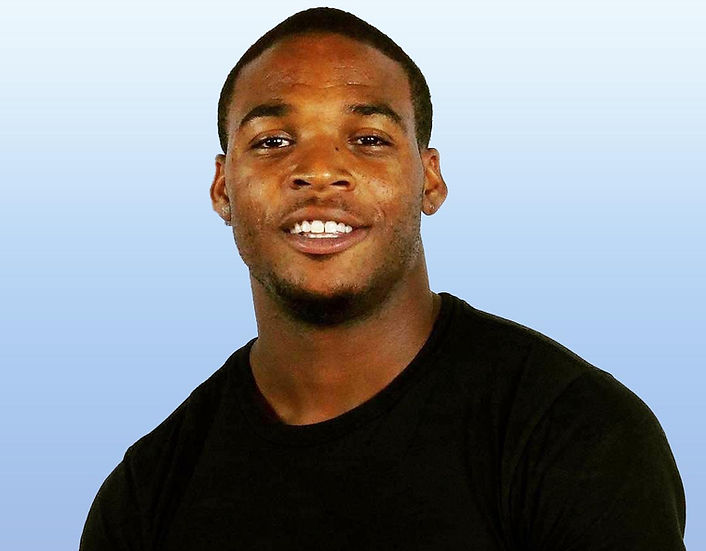

Corey's Story
To his family, friends, and teammates, Corey Davis was known for his kindness, his lighthearted spirit, and the effortless way he made others laugh. His playful humor and generous heart were constant reminders of the loving spirit at the center of who he was.
Corey’s passion for football began early and only grew stronger with time. He had a genuine love for the sport—everything that came with the game, the teammates who felt like family, and the intensity and challenge of the game itself. Some of the most meaningful moments of his life came from football, experiences that shaped his character, loyalty, and determination.
But alongside the joy football and other parts of his life brought to others, Corey faced private struggles that few ever saw. Over time, repeated hits and head injuries began to affect him in ways he couldn’t fully recognize. Gradual changes in his mood, memory, and behavior emerged, leaving him frustrated, occasionally withdrawn, and sometimes responding in ways that felt out of character. Yet even as these challenges grew heavier, Corey continued to show the resilience, humor, and warmth that had always defined him.
Despite his courage, the challenges he silently endured became overwhelming. On June 11, 2024, at just 32 years old, he tragically took his own life. The manner of his passing, and the symptoms he experienced beforehand, echoed those seen in other athletes later diagnosed with Chronic Traumatic Encephalopathy (CTE). Seeking answers, Corey’s family donated his brain to the UNITE Brain Bank. Less than a year later, researchers confirmed that Corey had stage 2 CTE.
This diagnosis brought clarity—and heartbreak. It illuminated the silent battles Corey had been fighting and underscored the profound impact repeated brain trauma can have on mental health, memory, and behavior.
Even in his darkest moments, Corey never lost the essence of who he was. His humor still surfaced, and his heart—always in the right place—continued to guide him.
Corey’s legacy is one of resilience, warmth, and deep compassion. His story is not defined by his struggles, but by the joy he brought, the relationships he cherished, and the countless lives he touched.
In his memory, we founded Huddle for Corey—a nonprofit dedicated to raising awareness about the effects of repeated head injuries, supporting the mental health of athletes, and providing resources and guidance to families facing similar challenges. Corey’s courage, and the love shared by those who knew him, fuel our mission every day.
By sharing Corey’s journey, including through the Concussion Legacy Foundation, we hope to bring understanding, reduce stigma, and ensure that no athlete—and no family—ever has to face these challenges alone. Corey lived with a warmth and sincerity that left a lasting mark on everyone who knew him. Through this work, we honor his memory and carry his light forward.